A Step-by-Step Guide to DIY Post-Accident Vehicle Inspections
Introduction
Experiencing a vehicle accident can be overwhelming, but conducting a post-accident inspection can help you assess the damage and determine the next steps. This guide will walk you through a step-by-step process for a DIY post-accident vehicle inspection.
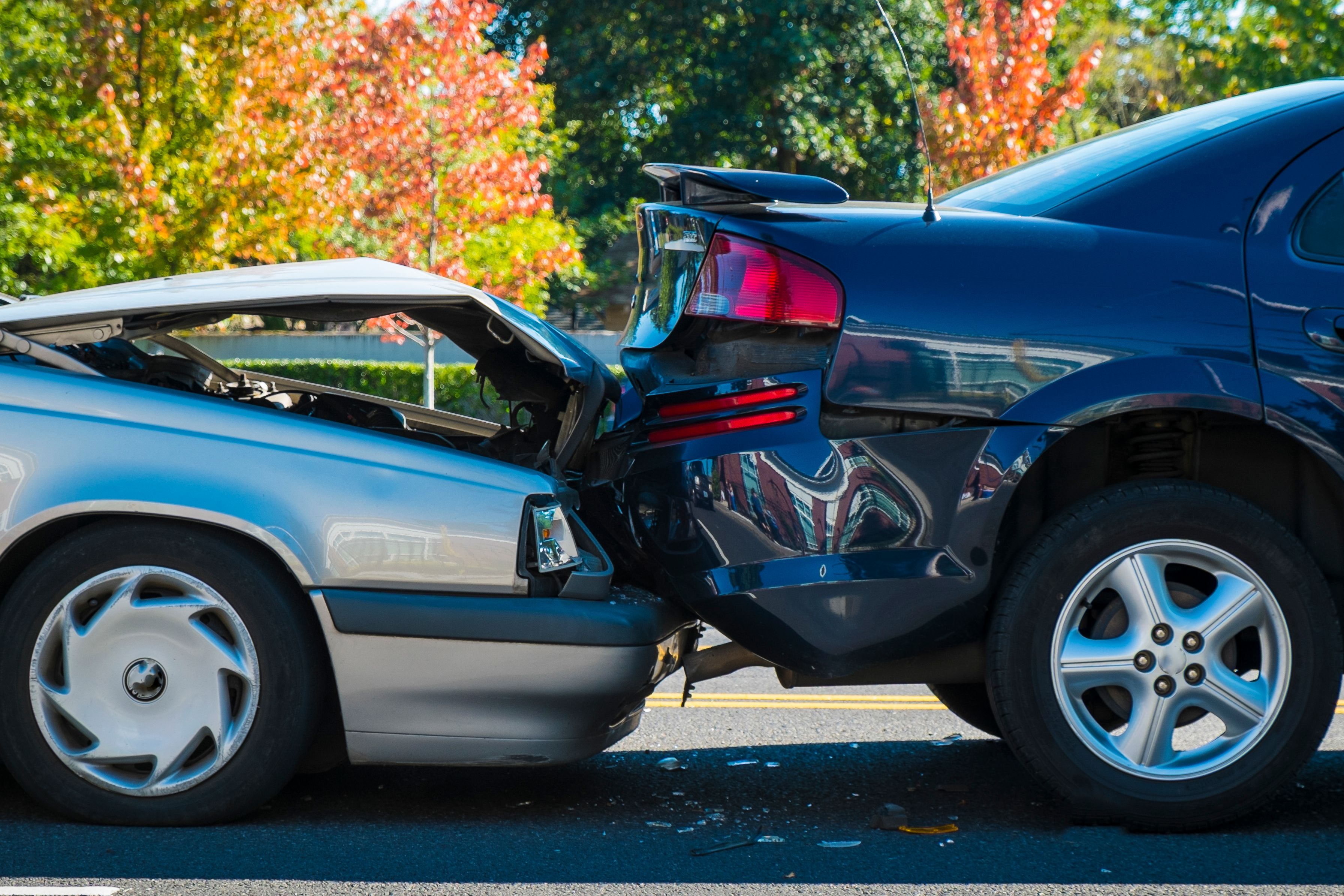
Initial Safety Checks
Before inspecting your vehicle, ensure your safety and the safety of others. Move to a safe location if possible, turn on your hazard lights, and set up warning triangles if you have them. This will help prevent further accidents and keep you safe during your inspection.
Check for Leaks
Once in a secure position, look for any fluid leaks beneath your vehicle. Common leaks include oil, coolant, and brake fluid. If you notice any significant leaks, it may be unsafe to drive your vehicle, and you should contact a mechanic or tow service.
Exterior Inspection
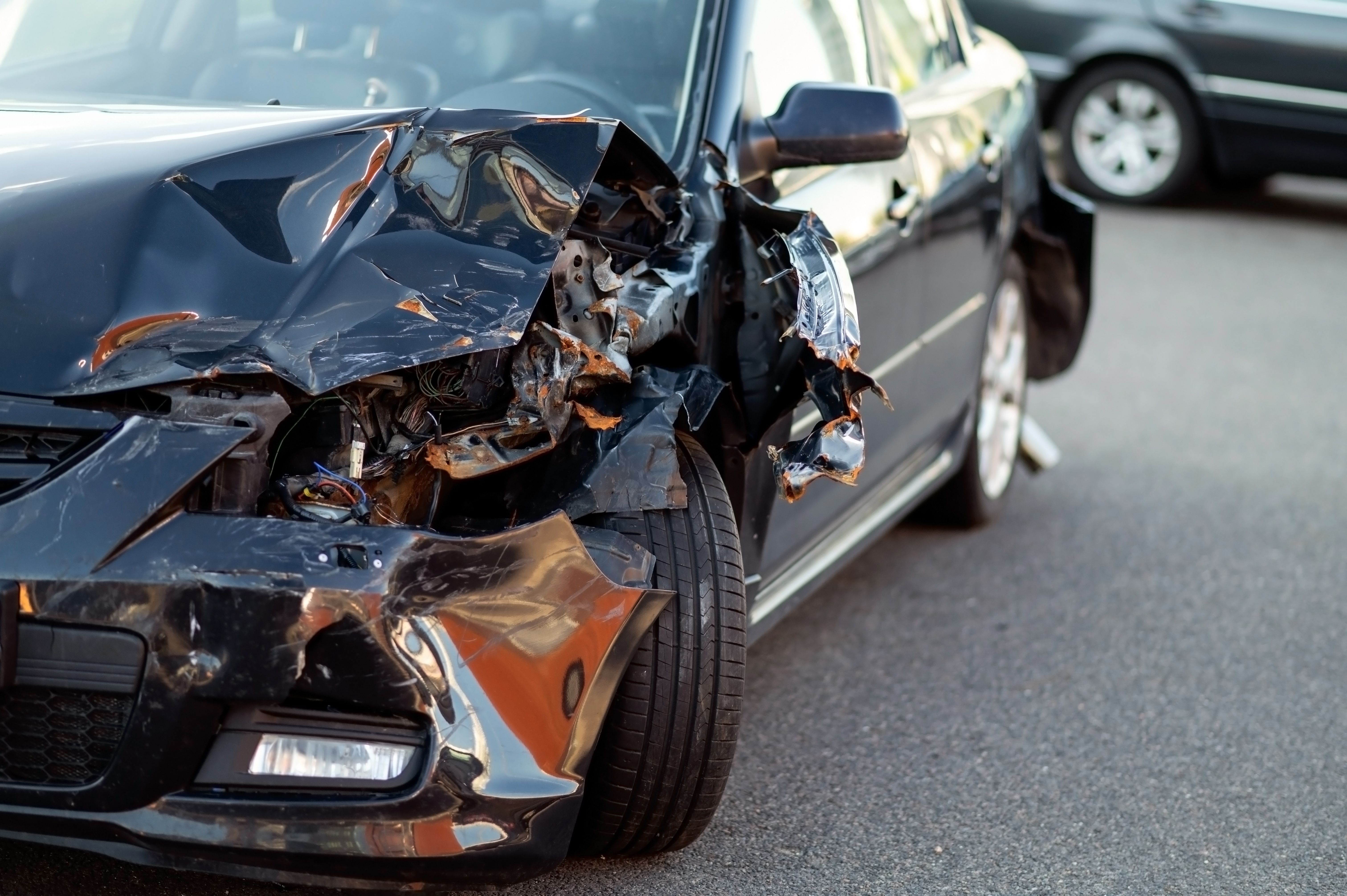
Begin by inspecting the exterior of your vehicle for visible damage. Look for dents, scratches, and any dislodged parts. Pay close attention to the bumpers, fenders, and doors, as these are common areas for damage in accidents.
Inspect the Wheels and Tires
Check all four tires for visible damage such as punctures, tears, or bulging. Ensure the wheels are properly aligned and not bent. Damaged tires can be dangerous and should be repaired or replaced before driving.
Interior and Engine Check
Next, move to the interior of your vehicle. Check that all airbags have deployed properly, and inspect the dashboard for any warning lights. Make sure the seatbelts are still functional and not frayed or damaged.
Examine Under the Hood
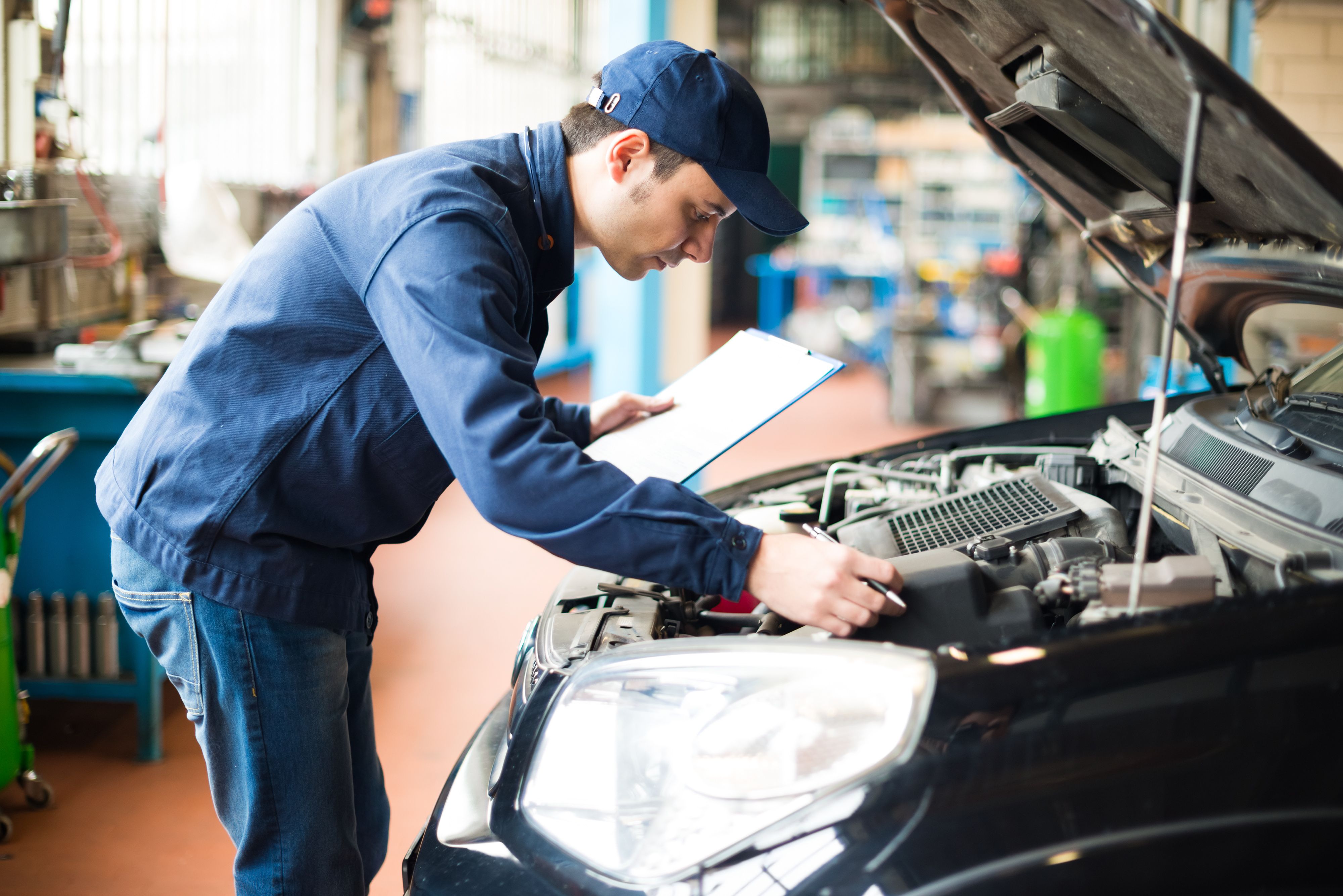
Open the hood to inspect the engine compartment. Look for any obvious damage, such as loose wires or cracked components. Check the fluid levels, including oil and coolant, to ensure they are at the correct levels.
Functional Tests
Once you have completed the visual inspection, test the functionality of essential systems. Start the engine and listen for unusual noises. Test the brakes, lights, and indicators to ensure they are working correctly.
Documentation and Next Steps
Document all findings with photographs and notes. This documentation will be helpful for insurance claims and repair assessments. If the damage is beyond minor, consider contacting a professional mechanic for a comprehensive inspection.
Conclusion
Performing a DIY post-accident vehicle inspection can help you understand the extent of the damage and decide on the best course of action. Always prioritize safety and seek professional help when necessary. With careful assessment and documentation, you can navigate the post-accident process more effectively.