Comprehensive Guide to Auto Damage Assessment in Salinas
Understanding Auto Damage Assessment
Auto damage assessment is a critical process for anyone involved in a vehicle accident. Whether you’re a vehicle owner or a professional in the automotive industry, understanding how to evaluate the extent of damage can save time and money. In Salinas, where traffic is a daily reality, knowing the ins and outs of this process is essential.
Damage assessment involves estimating repair costs, which is crucial for insurance claims. A thorough assessment can prevent future issues that might arise from hidden damages. Let's explore the steps involved in conducting a comprehensive auto damage assessment.

Initial Inspection
The first step in auto damage assessment is an initial inspection. This involves a visual examination of the exterior and interior of the vehicle. Look for obvious signs of damage such as dents, scratches, or any misaligned parts. Taking photos can be helpful for insurance purposes.
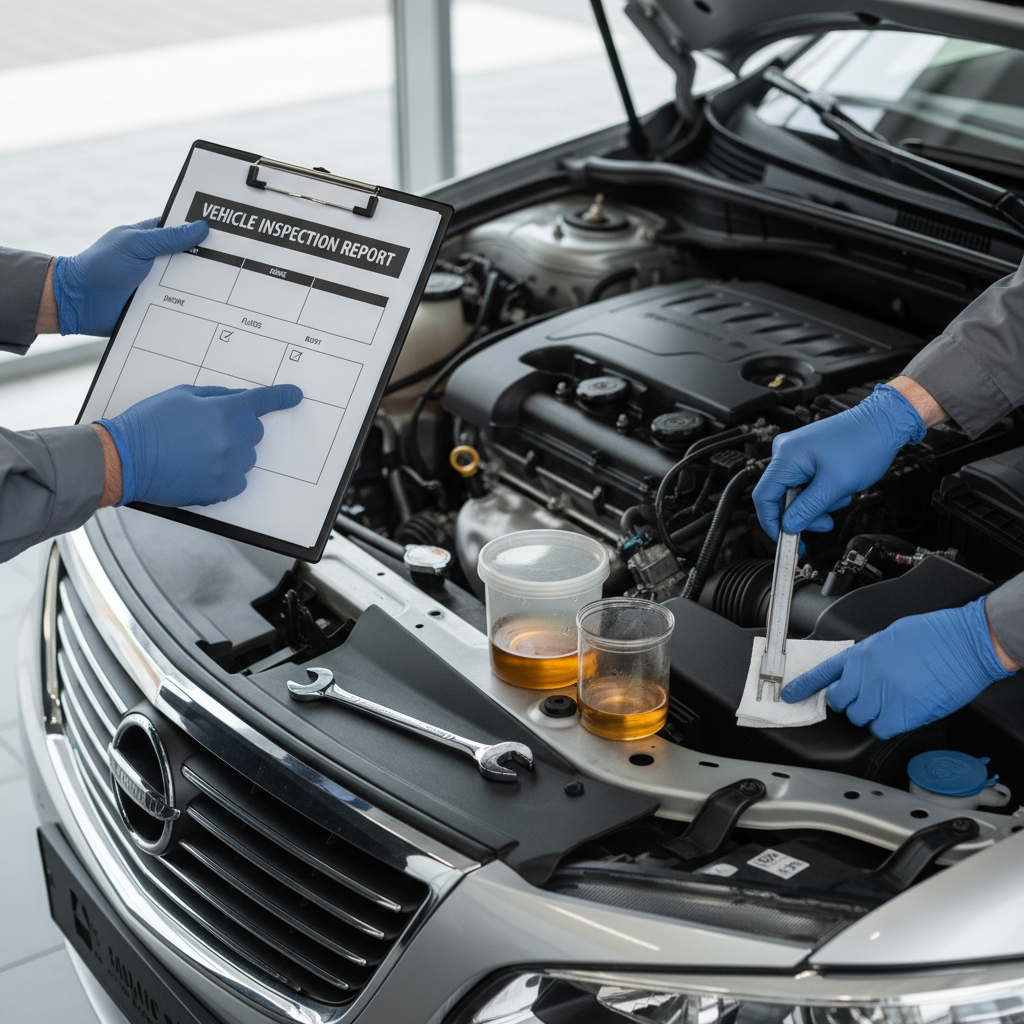
Check under the hood for any mechanical issues that might not be immediately visible. Pay attention to any unusual noises or leaks. A thorough inspection at this stage can help identify potential safety hazards.
Documenting the Damage
Documentation plays a vital role in damage assessment. Record every detail of the damage, including the date and time of the accident, the location of the damage, and any other relevant information. This information will be crucial when filing an insurance claim.
Include detailed notes about the condition of the vehicle before the accident, as well as any previous repairs. This information can provide context for the insurance company when evaluating the claim.
Estimating Repair Costs
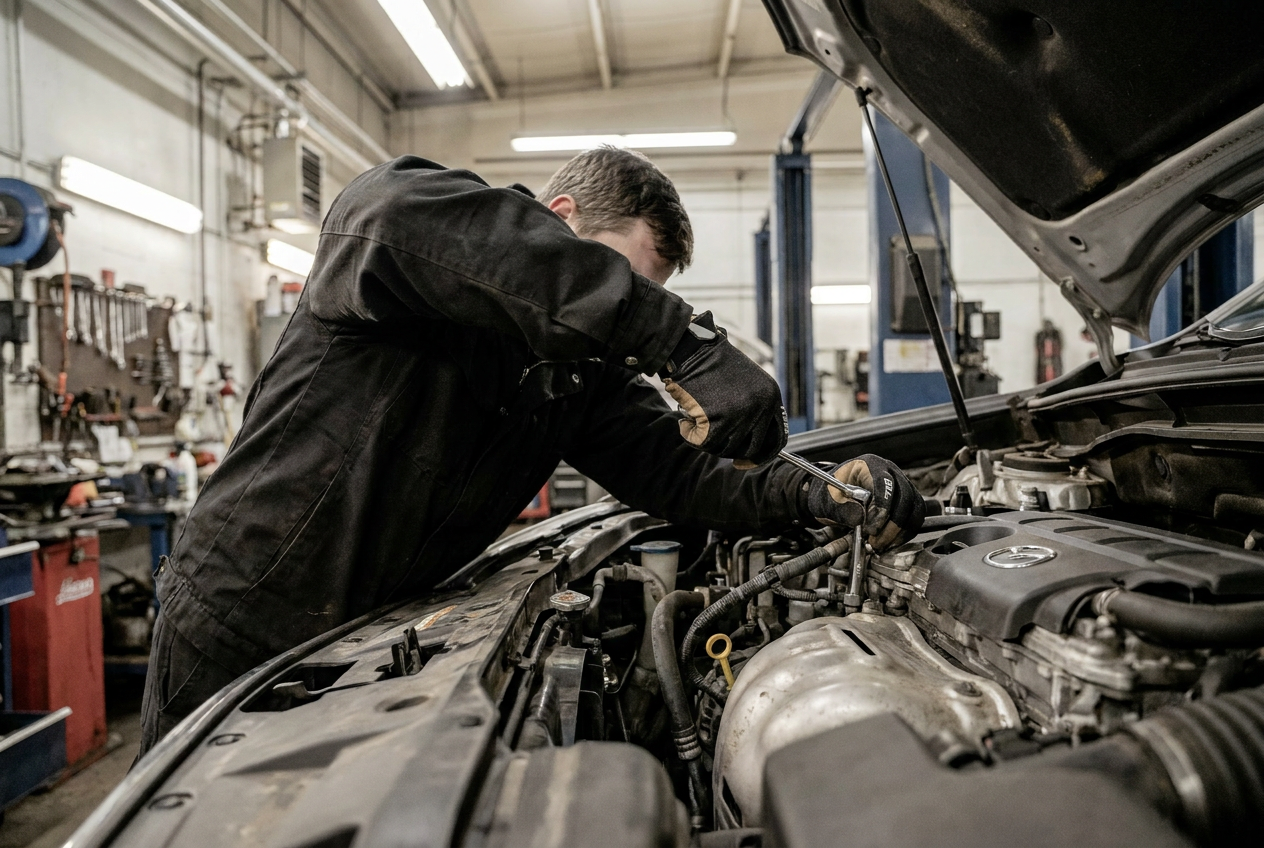
Once the damage is documented, the next step is estimating the repair costs. This involves getting quotes from reputable auto repair shops in Salinas. It's advisable to obtain multiple estimates to ensure a fair assessment of the repair costs.
Consider the cost of parts, labor, and any additional services that might be required. Also, factor in the time it will take to complete the repairs, as this can impact your insurance claim.
Working with Insurance Companies
After obtaining repair estimates, the next step is working with your insurance company. Submit the documentation and estimates as part of your claim. Be prepared to negotiate if the initial offer from the insurance company does not cover the estimated costs.
Understanding your insurance policy is crucial. Familiarize yourself with the terms and conditions, including any deductibles or coverage limits, to ensure you receive the compensation you're entitled to.
Conclusion
Auto damage assessment is a comprehensive process that requires attention to detail and a good understanding of the steps involved. In Salinas, where traffic accidents are not uncommon, being prepared can make a significant difference in handling the aftermath of an accident.
By following these guidelines, you can ensure a thorough assessment, facilitating a smoother repair process and a fair insurance claim. Remember, the key to successful damage assessment is meticulous documentation and effective communication with repair shops and insurance companies.