Exploring the Latest Vehicle Damage Assessment Technology
Introduction to Vehicle Damage Assessment Technology
In recent years, the automotive industry has witnessed groundbreaking advancements in technology, especially in the area of vehicle damage assessment. These innovations are revolutionizing how insurance companies and repair shops evaluate and process vehicle damage claims. With the integration of AI, machine learning, and other digital tools, the process has become faster, more accurate, and cost-effective.
The Role of Artificial Intelligence
Artificial Intelligence (AI) plays a pivotal role in modern vehicle damage assessment. By utilizing AI algorithms, systems can analyze images of damaged vehicles to identify and categorize the severity of the damage. This not only speeds up the assessment process but also minimizes human error. AI-driven tools can swiftly provide repair estimates, reducing the time needed for manual inspections.
Moreover, AI systems continuously learn from new data, enhancing their accuracy over time. This ensures that assessments are based on the most current and comprehensive information available, leading to more reliable repair cost predictions.
Machine Learning and Big Data
Machine learning and big data analytics are integral to the latest advancements in damage assessment technology. By analyzing vast amounts of historical data, these systems can predict damage patterns and suggest the most efficient repair methods. This enables technicians to make informed decisions, ultimately improving the repair process.

Additionally, big data helps in understanding trends and patterns, which can be used to improve vehicle design and safety features. Manufacturers can leverage these insights to create more resilient vehicles, potentially reducing the frequency and severity of damage incidents.
Integration with Mobile Apps
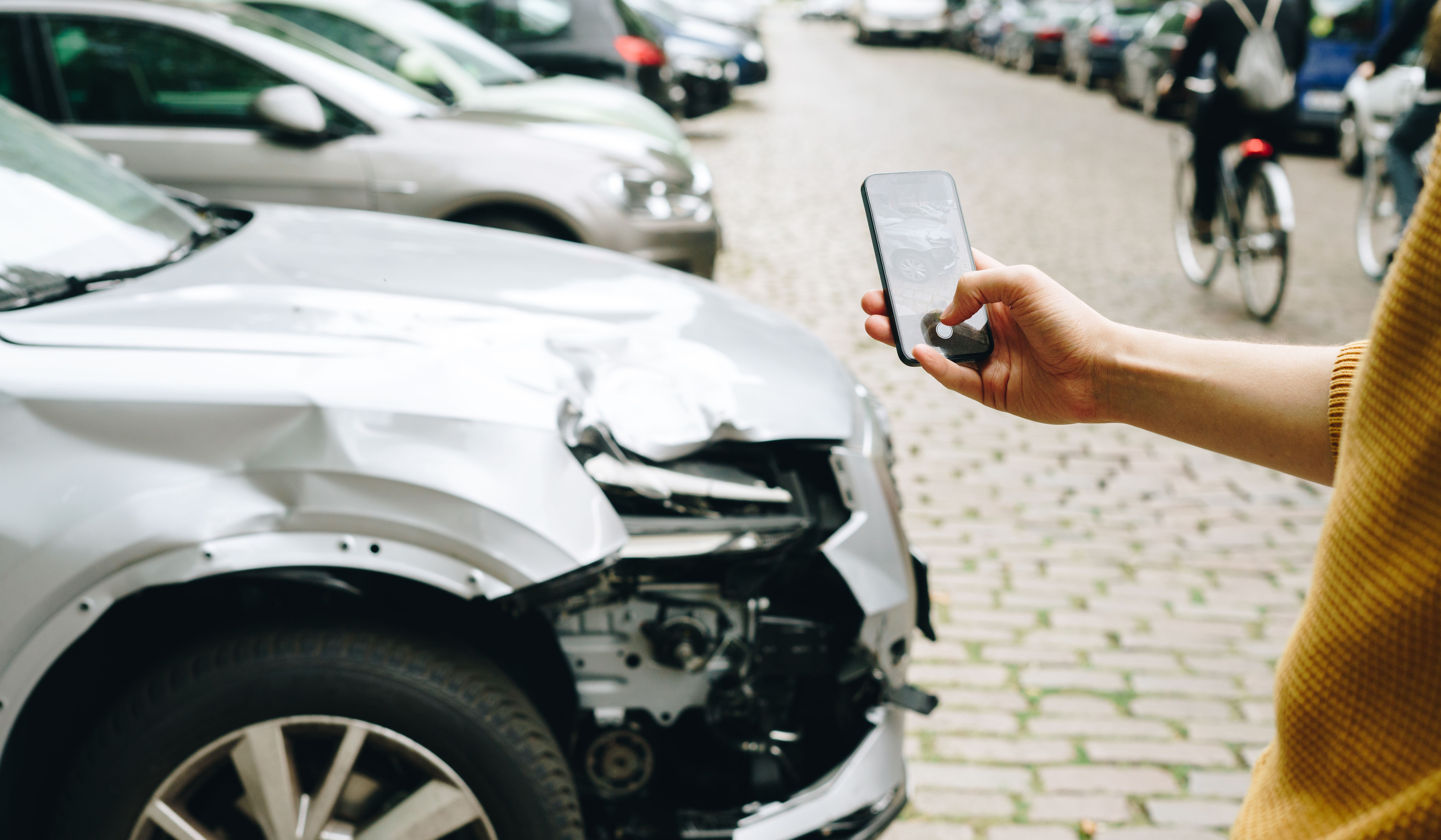
Mobile applications have become an essential tool in the vehicle damage assessment process. These apps allow users to capture and upload photos of the damage directly from their smartphones. The images are then analyzed by AI systems to provide instant damage evaluations and repair estimates.
This technology empowers customers to initiate the claims process from anywhere, reducing the need for physical visits to assessment centers. It also streamlines communication between insurers, repair shops, and customers, enhancing the overall claims experience.
3D Imaging and Augmented Reality
3D imaging and augmented reality (AR) are transforming how damage assessments are conducted. By creating detailed 3D models of damaged vehicles, technicians can gain a comprehensive view of the damage, allowing for precise evaluations.
AR technology adds another layer by overlaying digital information onto the physical vehicle, providing real-time guidance during the repair process. This technology not only improves accuracy but also enhances the technician's ability to visualize and address complex damage scenarios.
Conclusion: The Future of Vehicle Damage Assessment
The advancement of vehicle damage assessment technology is paving the way for a more efficient, accurate, and customer-friendly claims process. As AI, machine learning, and digital tools continue to evolve, the automotive industry can expect even greater innovations in the future. These technologies promise to further streamline operations, reduce costs, and enhance the overall experience for insurers, repair shops, and vehicle owners alike.