Exploring the Latest Vehicle Damage Assessment Technology
Introduction to Vehicle Damage Assessment Technology
The automotive industry is experiencing a technological revolution, especially in the field of vehicle damage assessment. With advancements in artificial intelligence and machine learning, automotive professionals now have access to tools that offer unprecedented accuracy and efficiency.
Gone are the days when manual inspection was the primary method for assessing vehicle damage. Today, technology plays a significant role in transforming how damage is evaluated, offering both speed and precision.
AI-Powered Damage Detection
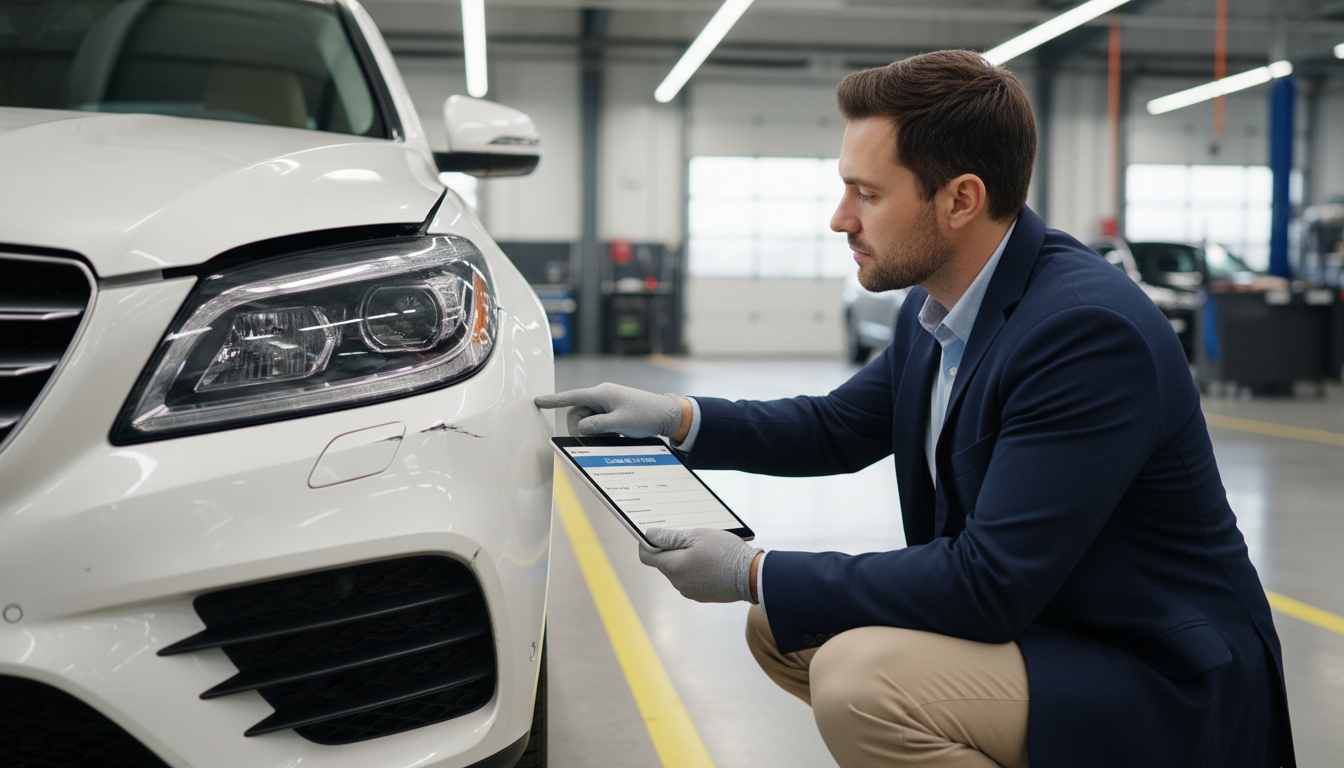
Artificial intelligence has emerged as a game-changer in vehicle damage assessment. AI-powered tools can analyze images of damaged vehicles, identifying and categorizing damage types with remarkable accuracy. These systems learn from vast datasets, allowing them to continuously improve and adapt.
Using AI, assessors can quickly determine the extent of damage, reducing the time required for manual inspections. This technology not only accelerates the process but also minimizes human error, ensuring more consistent results.

Machine Learning and Predictive Analytics
Incorporating machine learning and predictive analytics into damage assessment allows for a deeper understanding of potential future issues. By analyzing patterns and historical data, these tools can predict how damage might develop if left untreated, guiding repair decisions.
Predictive analytics also aids insurance companies in estimating repair costs more accurately. This ensures that claims are processed with greater transparency and fairness, benefiting both insurers and policyholders.

Mobile Applications and Remote Assessment
Mobile applications have revolutionized the way vehicle damage is assessed remotely. These apps enable users to capture high-quality images of their vehicles, which are then analyzed by AI systems to assess damage.
This technology empowers customers to perform preliminary assessments themselves, significantly enhancing convenience and reducing the need for immediate in-person inspections.
The Role of 3D Imaging and Scanning
3D imaging and scanning technologies provide detailed visualizations of vehicle damage. This technology captures intricate details that might be missed by traditional methods, offering a comprehensive view of the damage.
By creating accurate 3D models of damaged areas, repair shops can plan and execute repairs with greater precision, ultimately improving repair quality and customer satisfaction.
Integration with Insurance Systems
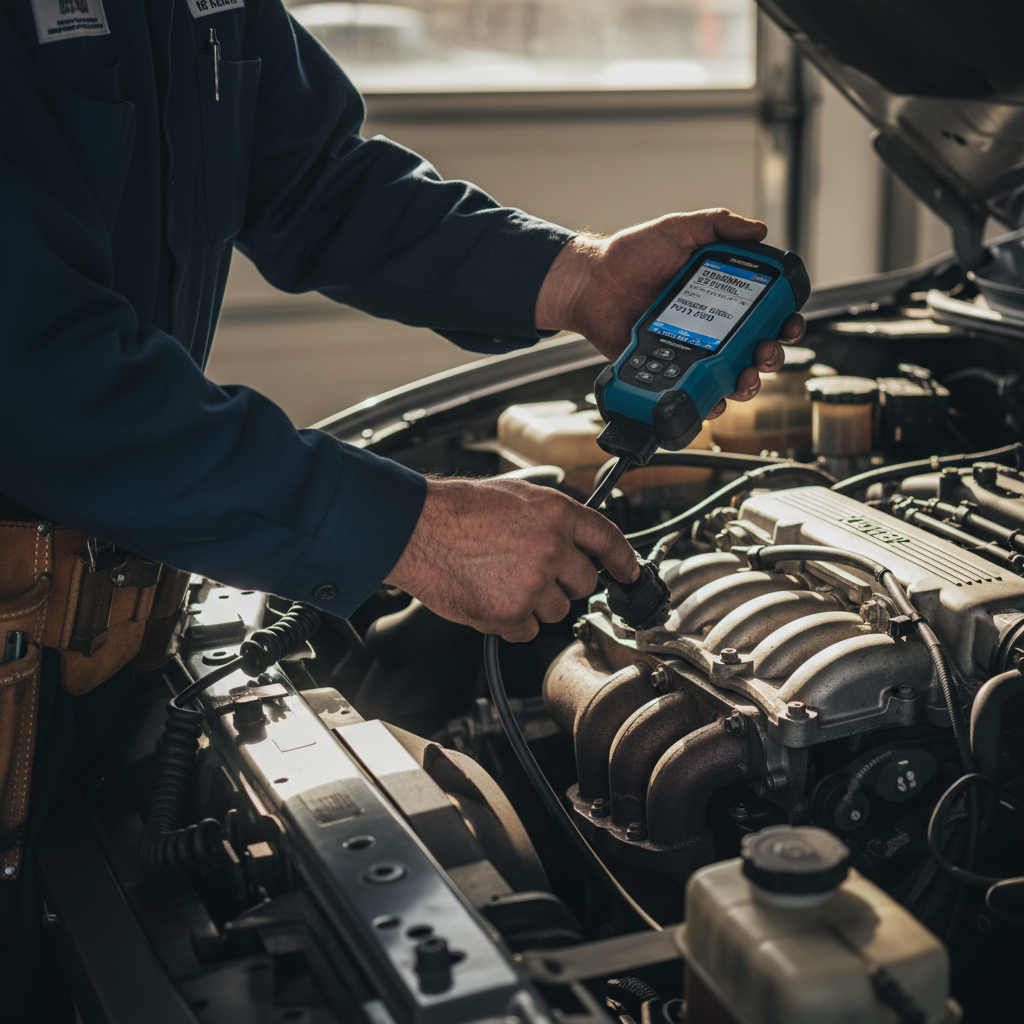
The integration of advanced damage assessment technologies with insurance systems streamlines the claims process. Automated data sharing between assessors and insurers ensures that all parties have access to the most accurate information.
This integration reduces paperwork and accelerates claims processing, providing a more efficient and seamless experience for customers.
Challenges and Future Outlook
Despite the advancements, there are challenges in adopting these technologies, including cost and the need for skilled personnel to manage and interpret data effectively. However, as technology continues to evolve, these barriers are expected to diminish.
The future of vehicle damage assessment looks promising, with continuous innovations paving the way for even more sophisticated tools and methodologies.