How Seasonal Changes Affect Auto Damage Assessment in Salinas
Understanding Seasonal Changes in Salinas
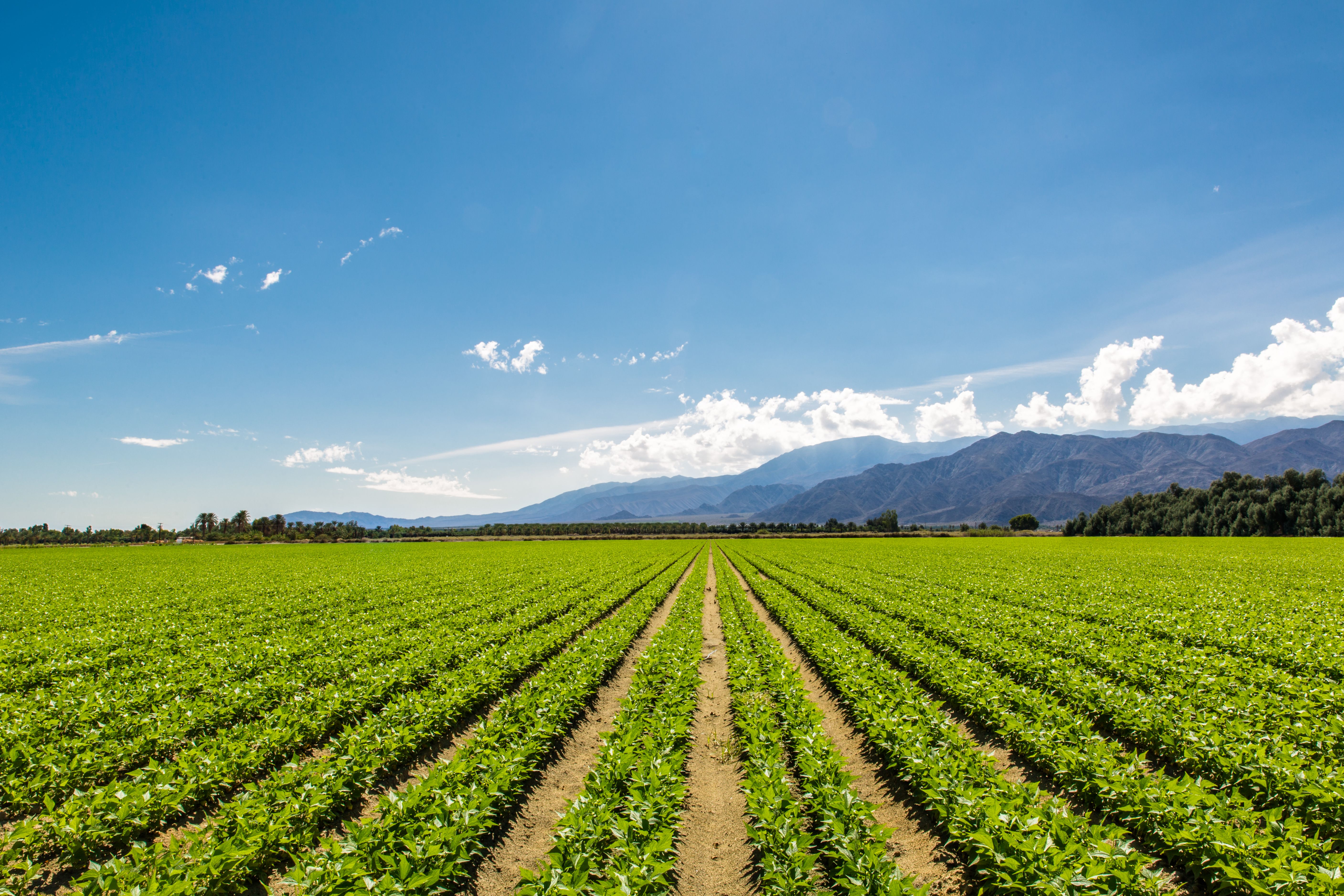
Located in the heart of California's Central Coast, Salinas experiences a variety of seasonal changes that can significantly impact auto damage assessment. As the weather shifts from foggy and cool to warm and dry, the conditions under which vehicles are assessed for damage can vary greatly. Understanding these changes is crucial for accurate auto damage appraisal.
Winter Fog and Moisture
Winter in Salinas often brings fog and increased moisture, which can lead to rust and corrosion on vehicles. These conditions make it essential for auto damage assessors to carefully inspect areas prone to rust, such as the undercarriage and wheel wells. The presence of moisture can also affect the visibility of certain damages, making thorough inspections even more critical.
During this time, assessors may need to focus on:
- Checking for rust in hidden areas
- Inspecting seals and gaskets for moisture damage
- Evaluating the impact of limited visibility on driver-related damages
Spring Showers and New Growth
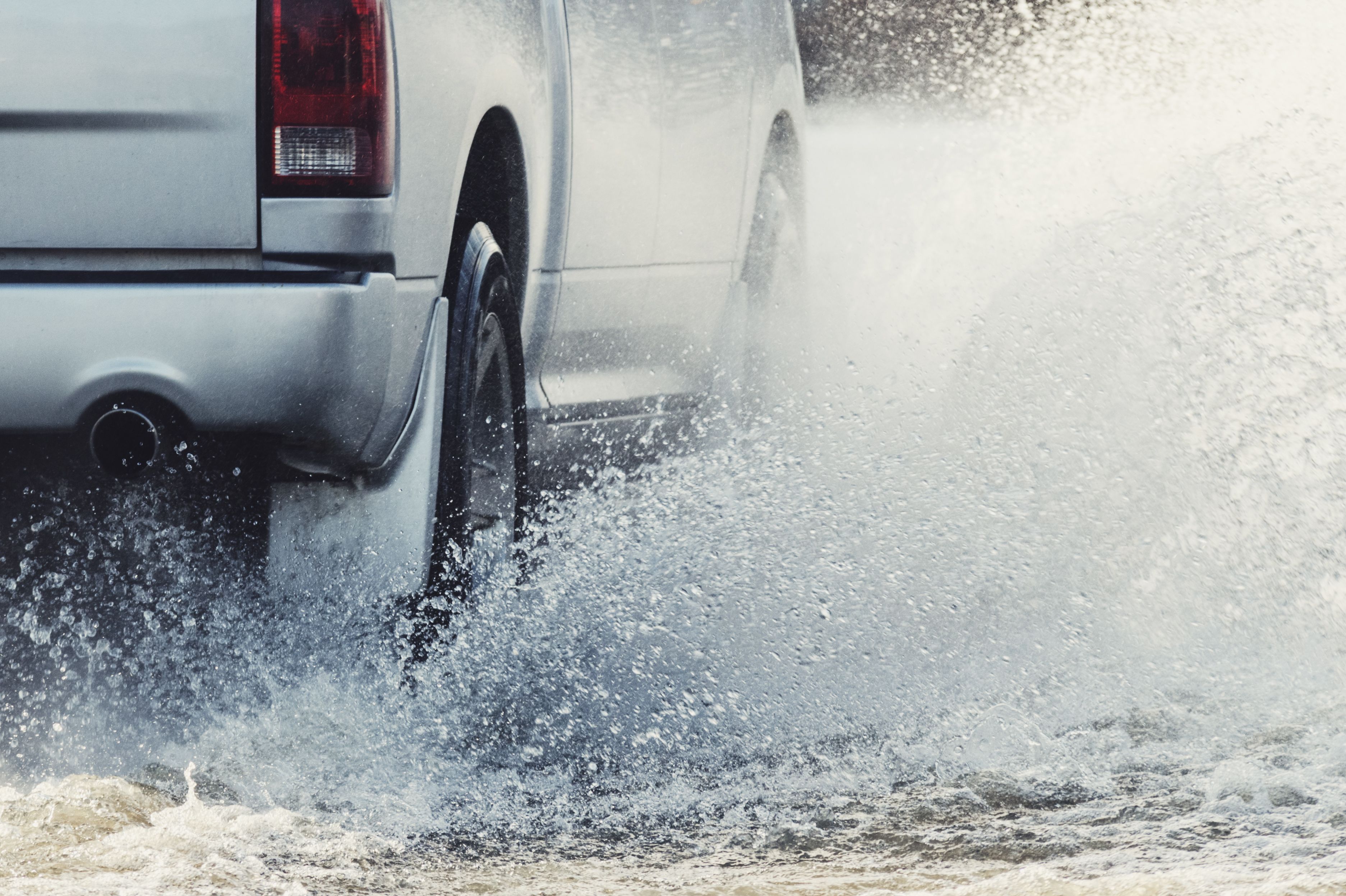
As spring arrives, Salinas experiences more rain, which can lead to slippery roads and increased accident rates. This season also brings new vegetation growth, which can obscure road signs and lead to more collisions.
Assessors must be vigilant about:
- Evaluating water damage from flooding or leaks
- Identifying paint and body damage from minor collisions
- Assessing the impact of mud or debris on the vehicle's exterior
Summer Heat and Sun Exposure
Summer in Salinas is characterized by warm temperatures and abundant sunshine. Prolonged exposure to the sun can lead to fading paint, cracked dashboards, and brittle rubber components. These factors must be taken into account during damage assessments.
Key considerations during summer include:
- Inspecting for UV damage to exterior paint and interiors
- Checking tire pressure and condition, as heat can affect rubber
- Ensuring that air conditioning systems are functioning properly

Fall Winds and Debris
Fall brings wind and falling leaves, which can result in debris-related damage. Branches and other objects blown by the wind can cause scratches and dents, while leaves can clog drainage areas, leading to water damage.
Assessors should pay attention to:
- Inspecting for scratches and dents from wind-blown debris
- Clearing and checking drainage areas for clogs
- Evaluating the condition of wiper blades and other weather-related components
Conclusion
The seasonal changes in Salinas present unique challenges and opportunities for auto damage assessment. By understanding how different weather conditions affect vehicles, assessors can provide more accurate and comprehensive evaluations. This not only helps in maintaining vehicle integrity but also ensures fair insurance claims and vehicle repairs.
Staying informed about these seasonal impacts is crucial for anyone involved in the auto damage assessment process, from insurance adjusters to vehicle owners.