How Seasonal Weather Affects Collision Repair Needs in Salinas
Salinas, known for its mild Mediterranean climate, experiences a unique set of weather patterns that can significantly impact collision repair needs throughout the year. Understanding how seasonal changes affect vehicle collisions can help drivers stay prepared and reduce the likelihood of accidents.

Winter Rain and Road Hazards
During the winter months, Salinas receives most of its annual rainfall. Rain can create slippery road conditions, leading to an increase in accidents. Wet roads reduce tire traction, making it more difficult for drivers to stop quickly or maneuver sharp turns.
Drivers should be particularly cautious during the first rain after a dry spell, as oil and debris on the road can create extremely slick conditions. Regular maintenance such as checking tire tread and ensuring proper inflation can help mitigate these risks.
Preparing Your Vehicle for Winter
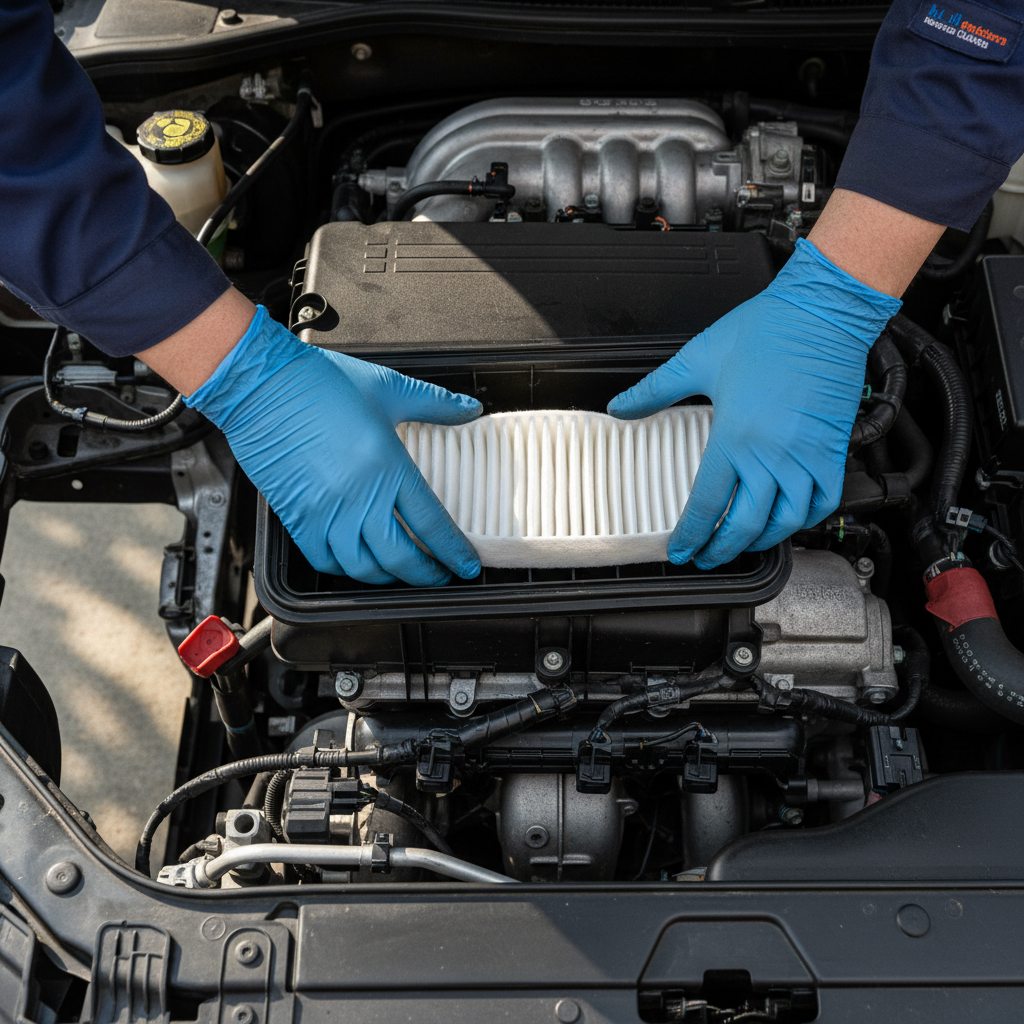
Before the rainy season, it's wise to conduct a thorough inspection of your vehicle. Check windshield wipers for wear and tear, ensure headlights and brake lights are functioning properly, and consider applying a rain-repellent treatment to windows for improved visibility.
Spring and Increased Traffic
As winter turns to spring, Salinas sees an increase in tourism and local events, leading to heavier traffic. The influx of vehicles can result in more congestion and a higher likelihood of fender benders, especially in busy areas and intersections.
To avoid collisions during this time, practice defensive driving. Keep a safe distance from other vehicles, and stay alert to sudden stops and lane changes. Patience is key during peak traffic hours.
Spring Cleaning for Your Car
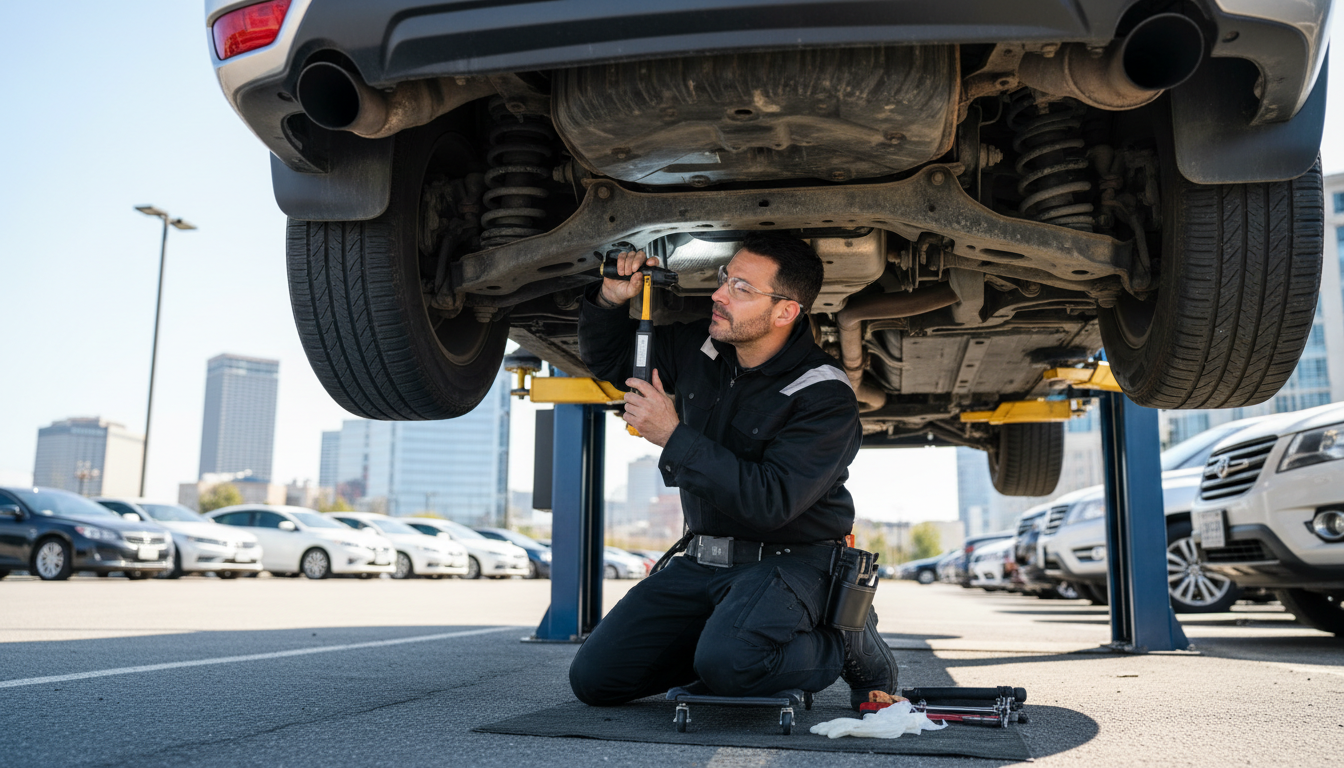
Spring is an excellent time to inspect your car for any damage sustained during winter. Look for issues like rust or corrosion, particularly on the undercarriage, which can be worsened by wet conditions. Addressing these problems early can prevent more extensive repairs down the line.
Summer Heat and Vehicle Stress
Summers in Salinas bring warm, dry weather, which can affect your vehicle in different ways. High temperatures can lead to overheating engines, tire blowouts, and the deterioration of fluids like oil and coolant.
Regularly checking fluid levels and maintaining proper tire pressure are essential to prevent breakdowns and accidents during the summer months. Additionally, ensure your vehicle's air conditioning system is in good working order to avoid discomfort and distraction while driving.
Taking Care of Your Tires
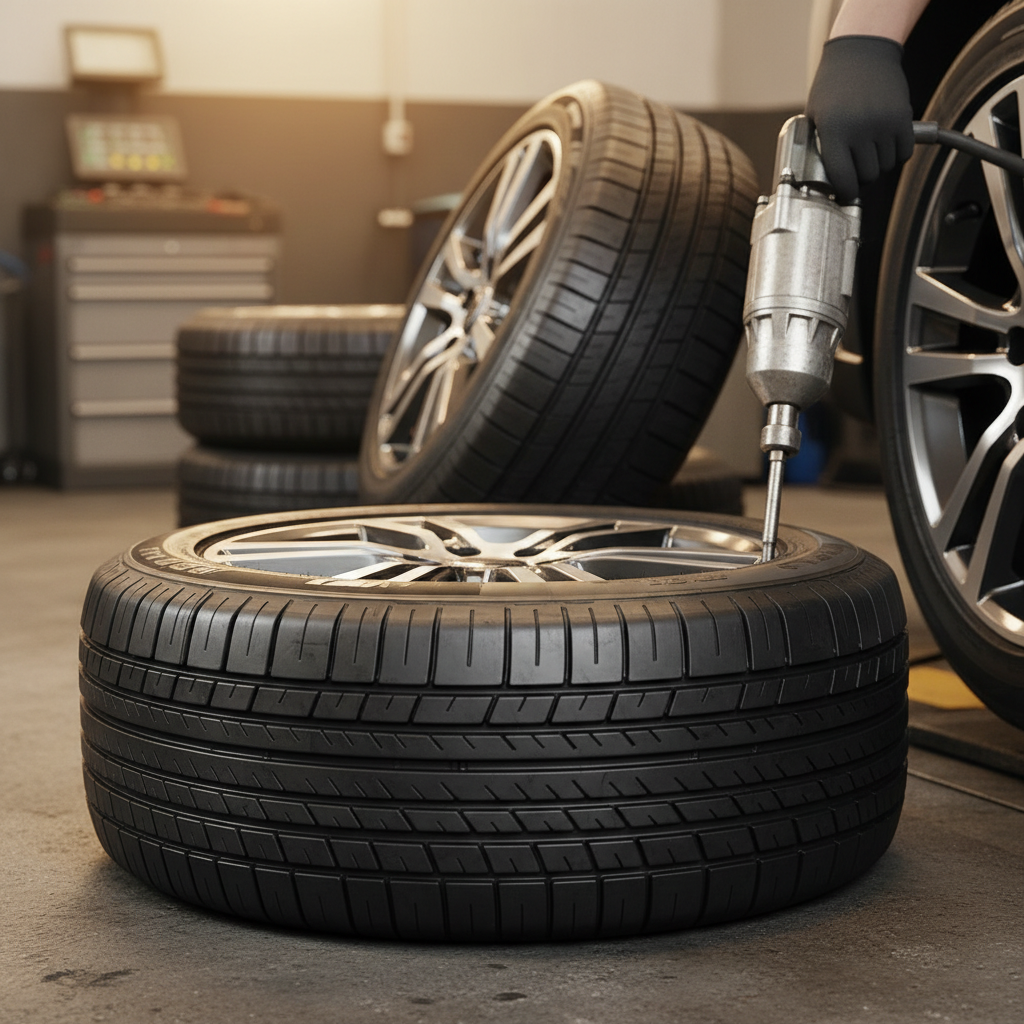
Heat can cause tires to expand, increasing the risk of blowouts. Inspect your tires regularly for signs of wear and replace them if necessary. Rotate your tires every 5,000 to 7,000 miles to ensure even wear and extend their lifespan.
Fall and Back-to-School Traffic
With the arrival of fall, Salinas experiences a shift as schools reopen. The increased presence of school buses and pedestrian traffic, particularly in school zones, requires heightened awareness from drivers.
Be mindful of school zone speed limits and always stop for school buses with flashing lights. Parents should also take extra care when dropping off or picking up children to ensure safety for everyone on the road.
By understanding how seasonal weather affects collision repair needs in Salinas, drivers can take proactive steps to maintain their vehicles and prioritize safety year-round. Regular maintenance and attentive driving are crucial in adapting to these seasonal challenges.