How to Navigate Insurance Claim Assistance for Car Accidents
Understanding the Insurance Claim Process
Dealing with a car accident can be overwhelming, but understanding the insurance claim process can ease some of the stress. The process generally involves reporting the accident, gathering documentation, and working with insurance adjusters. Knowing these steps can help you navigate the system more efficiently.

First, ensure safety and contact emergency services if necessary. Once everyone's safe, report the accident to your insurance company as soon as possible. This initial report sets the process in motion and allows your insurer to begin their investigation.
Gathering Essential Documentation
Having the right documentation is crucial for a smooth claims process. Collecting information at the scene of the accident, such as photos, witness statements, and police reports, can significantly impact the outcome of your claim. Ensure you have all the necessary details to support your case.
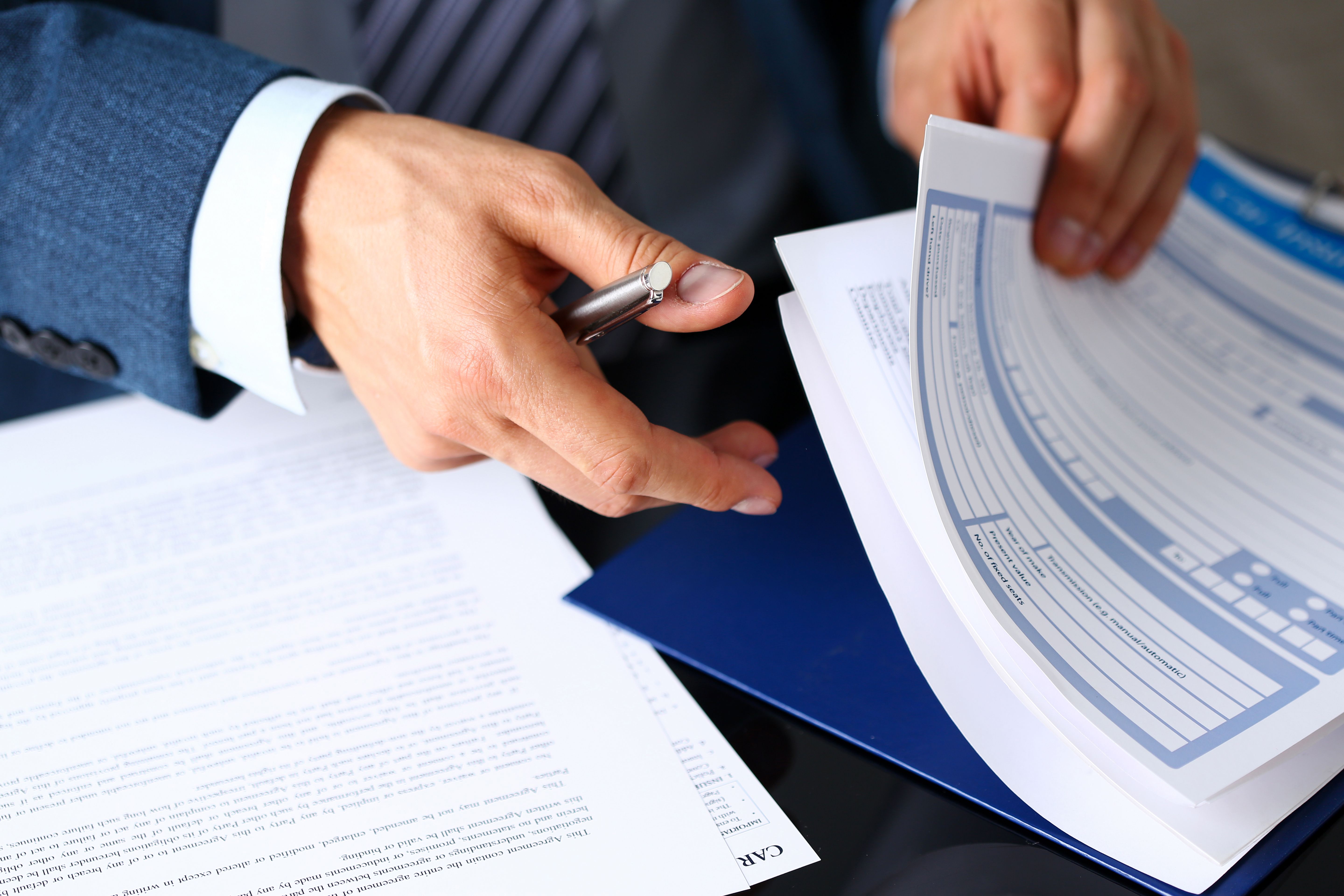
Additionally, keep track of any medical treatments and repair estimates. These documents will provide evidence of the damages and expenses incurred, helping your insurance company assess the claim's validity.
Working with Insurance Adjusters
Once your claim is filed, an insurance adjuster will be assigned to evaluate the damages and determine the compensation. Be prepared to communicate clearly and provide any requested information promptly. Adjusters may visit the accident site, inspect your vehicle, and review all documentation.

It’s essential to understand that the adjuster works for the insurance company, so ensuring your side of the story is accurately represented is important. Being cooperative yet assertive can help in reaching a fair settlement.
Understanding Your Policy
Your insurance policy is a contract, and knowing its terms can prevent misunderstandings. Familiarize yourself with your coverage, including any deductibles, limits, and exclusions. This knowledge will help set realistic expectations for your claim.
Reviewing your policy periodically and asking questions if anything is unclear can be beneficial. Understanding your coverage can also guide you in making informed decisions about repairs and medical treatments.
Handling Disputes
If you disagree with the adjuster's assessment or the settlement offered, you have the right to appeal. Start by discussing your concerns with your insurance company. Providing additional evidence or documentation can sometimes resolve disputes.

If necessary, consider seeking professional assistance, such as an attorney or a public adjuster. These professionals can advocate on your behalf and help ensure a fair resolution.
Finalizing the Claim
Once an agreement is reached, the final step is to accept the settlement and close the claim. Ensure all repairs and medical treatments are completed to your satisfaction before finalizing.
Remember to maintain all records related to the claim for future reference. These documents can be useful if any issues arise later or if you need to provide proof of repairs.