The Future of Digital Collision Estimation Tools
Introduction to Digital Collision Estimation Tools
In recent years, the automotive industry has witnessed a significant transformation with the advent of digital collision estimation tools. These innovative solutions are reshaping how vehicle damage is assessed, providing a faster, more accurate, and efficient process for both insurers and repair shops.

How Digital Tools Are Transforming Estimates
Traditional methods of estimating vehicle damage often involve manual inspections and paperwork, leading to delays and inaccuracies. Digital collision estimation tools leverage technology to automate and streamline this process. By using advanced algorithms and machine learning, these tools can quickly analyze damage photos and generate precise repair estimates.
One of the main benefits of these tools is their ability to reduce human error. By relying on data-driven insights, repair estimates become more consistent, improving trust between insurers, repair shops, and customers.
Benefits for Insurers and Repair Shops
For insurers, digital collision estimation tools offer the advantage of speed. Faster estimates mean claims can be processed more quickly, enhancing customer satisfaction. Additionally, these tools often integrate seamlessly with existing claims management systems, ensuring a smooth transition to digital processes.
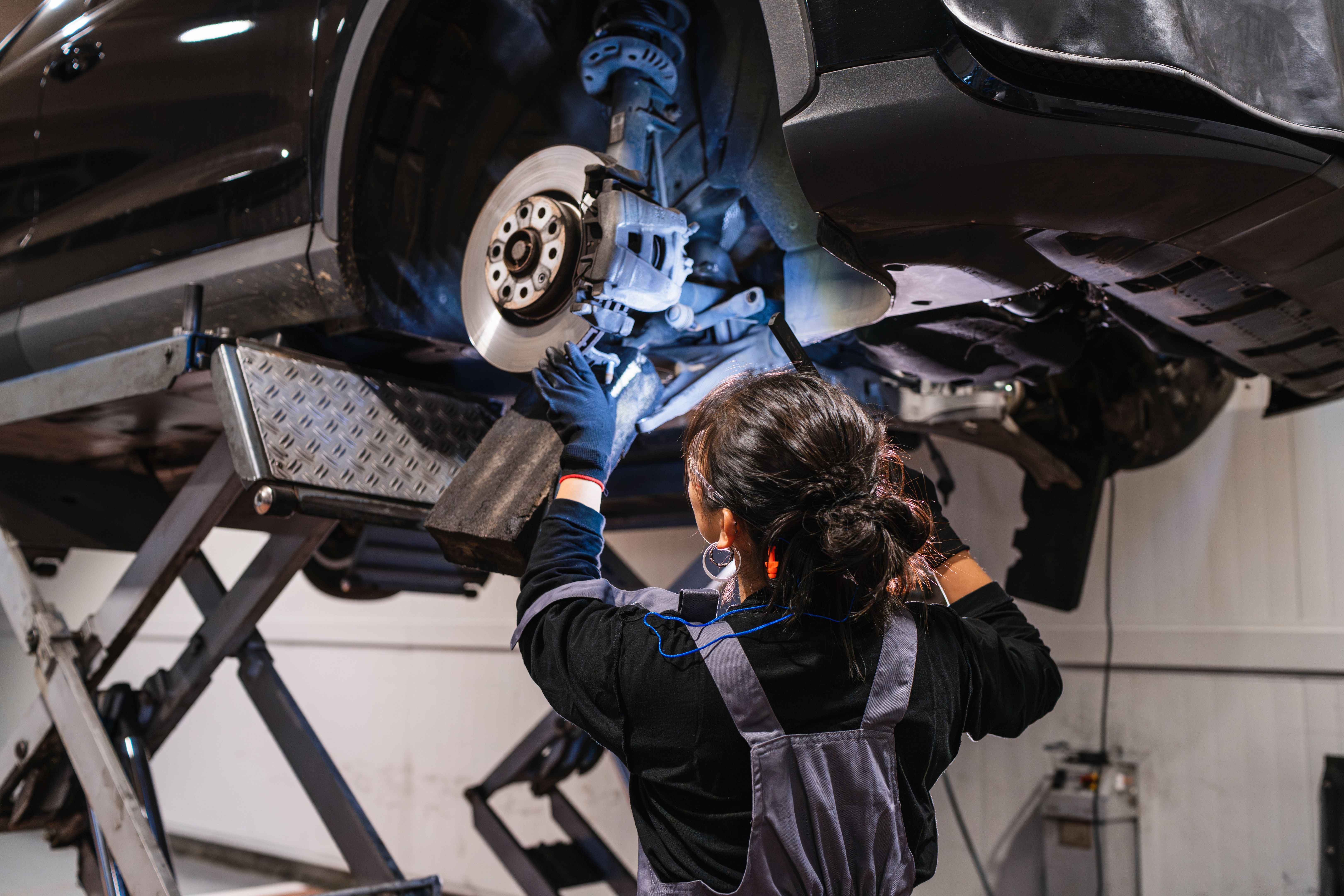
Repair shops also stand to gain significantly. By receiving accurate estimates promptly, they can better manage their workflow and inventory, reducing downtime and increasing efficiency. Moreover, these tools often provide detailed breakdowns of required parts and labor, enabling shops to plan more effectively.
Technology Behind the Tools
The technology powering digital collision estimation tools is a combination of artificial intelligence, machine learning, and computer vision. These systems analyze a vast array of data points from vehicle images, comparing them with a database of known damage patterns and repair costs. This analysis yields an accurate estimate in a fraction of the time it would take a human assessor.
Additionally, continuous learning capabilities allow these tools to improve over time, constantly refining their accuracy and reliability as more data is processed.
Challenges and Considerations
While the benefits are clear, the adoption of digital collision estimation tools is not without challenges. One major consideration is the initial investment in technology and training. Repair shops and insurers must weigh these costs against the long-term savings and efficiency gains.
Moreover, there are concerns about data privacy and security. Ensuring that sensitive information is protected and used ethically is paramount as the industry moves towards more digital solutions.
The Future Outlook
Looking ahead, the future of digital collision estimation tools appears promising. As technology continues to evolve, these tools will become even more integrated into the automotive repair ecosystem. The potential for enhanced connectivity with other digital platforms, such as telematics and IoT devices, could further revolutionize the industry.

Ultimately, the widespread adoption of these tools will likely lead to a more efficient, transparent, and customer-friendly collision repair process, benefiting all stakeholders involved.