Understanding Digital Collision Estimation Tools: What You Need to Know
Introduction to Digital Collision Estimation Tools
In the modern automotive industry, digital collision estimation tools have become essential for both repair shops and insurance companies. These tools streamline the process of assessing vehicle damage and calculating repair costs, making them a crucial part of the collision repair process.
Understanding how these tools work can significantly enhance the efficiency and accuracy of damage assessments. This post delves into the key aspects of digital collision estimation tools and how they can benefit your business.
How Digital Collision Estimation Tools Work
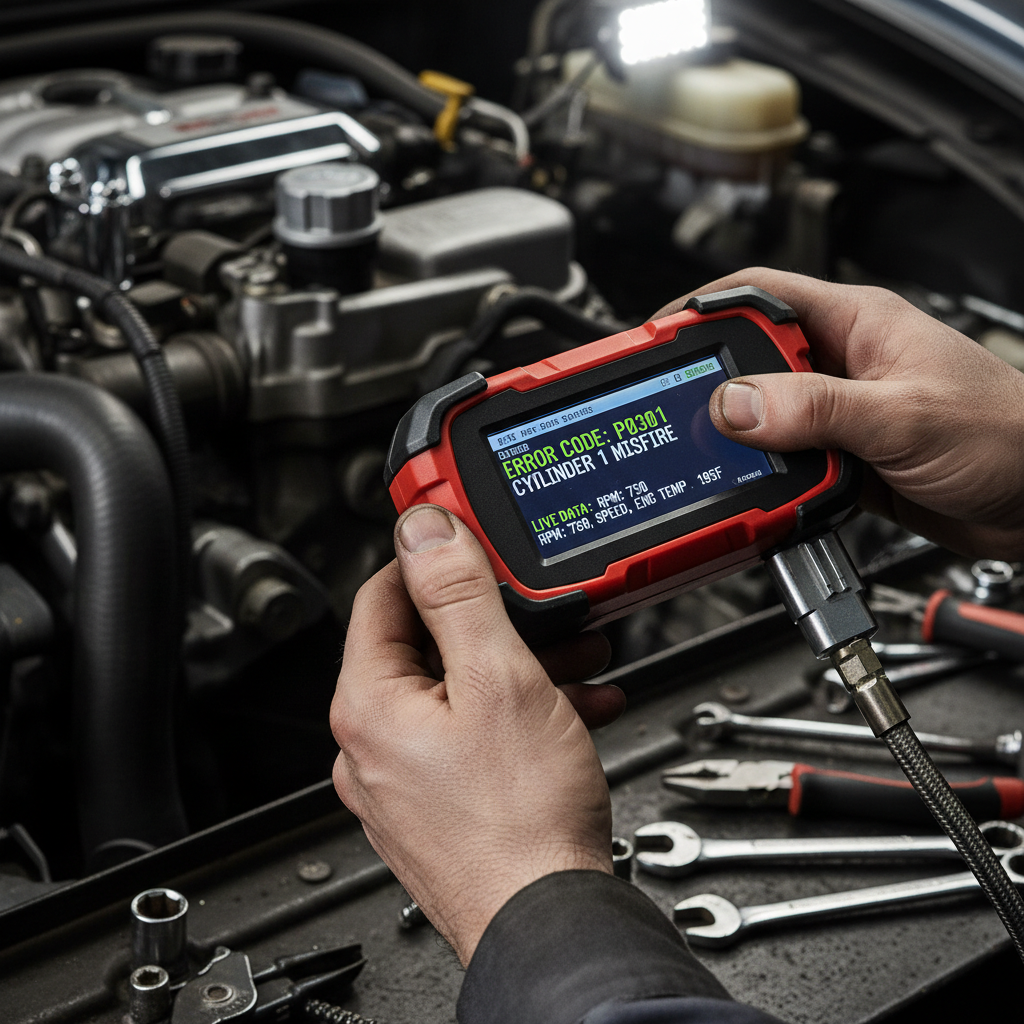
Digital collision estimation tools utilize advanced algorithms and databases to provide accurate damage assessments. They take into account various factors, including vehicle make, model, and historical repair data, to generate an accurate estimate.
These tools often integrate with other systems, such as parts suppliers and insurance databases, to ensure that all necessary information is available. This integration helps in generating precise estimates and streamlining the repair process.
Key Features and Benefits
One of the primary benefits of digital collision estimation tools is their ability to provide quick and accurate estimates. By reducing the time needed for manual assessments, these tools can enhance productivity and customer satisfaction.
- Improved accuracy in estimates
- Faster turnaround times
- Integration with supply chain and insurance systems

Choosing the Right Tool for Your Business
When selecting a digital collision estimation tool, it's essential to consider your specific business needs. Factors such as compatibility with existing systems, ease of use, and cost should be evaluated thoroughly.
Many businesses opt for tools that offer customizable interfaces and robust customer support to ensure a smooth transition and ongoing efficiency.
Implementation and Training
Implementing a new digital collision estimation tool requires careful planning and training. Ensure that your staff is adequately trained to maximize the tool's potential and minimize errors.
Regular updates and continuous training sessions can help keep your team adept at using the tool, ultimately leading to better service for your clients.

The Future of Collision Estimation
The future of digital collision estimation is promising, with advancements in AI and machine learning paving the way for even more precise assessments. These technologies can analyze vast amounts of data to provide insights that were previously unattainable.
As more repair shops and insurance companies adopt these tools, the industry is likely to see enhanced efficiency and customer satisfaction, making digital collision estimation tools a worthwhile investment.
Conclusion
Understanding digital collision estimation tools is crucial for anyone involved in the automotive repair industry. By embracing these technologies, businesses can improve accuracy, reduce costs, and enhance customer satisfaction. As technology continues to evolve, staying informed and adaptable will be key to maintaining a competitive edge.